




News
Devil’s Corner x International Women’s Day: Lauren Jackson on Advancing Women in Sport
Wed 4 Mar 2026
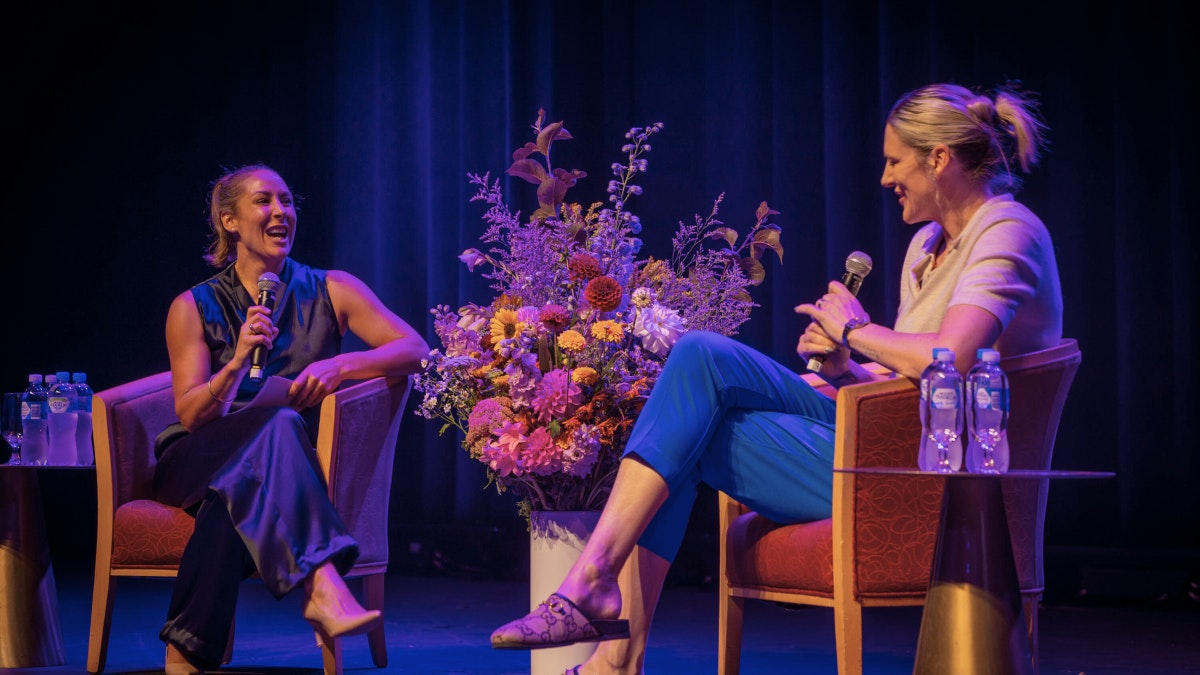
Devil’s Corner was proud to support the Tasmanian Devils’ International Women’s Day Luncheon, alongside the Tasmania Jewels and the Hobart Hurricanes, bringing together sporting leaders to celebrate the impact of women in sport and the work still being done to create greater opportunity.
The event featured a powerful conversation with Australian basketball legend Lauren Jackson, who shared a candid reflection on resilience, representation and the realities of continuing to create space for women in sport.
Reflecting on her early rise, Jackson spoke about competing at 19 at the Sydney 2000 Olympic Games before launching a decade-long career in the Women’s National Basketball Association (WNBA). At the time, she said, female athletes were often “put in boxes” — expected to behave a certain way and avoid speaking out.
“It wasn’t until players started standing up and saying, ‘Well, that’s not the way,’ that people started listening,” she said.
After multiple knee surgeries forced her retirement, Jackson described losing a sense of identity. Motherhood followed, along with a 40kg weight gain and the quiet mental battle of redefining herself outside elite sport.
“I didn’t think I was capable of something like that,” she admitted, speaking about her eventual return.
What began as a slow return to training turned into one of the most extraordinary comebacks in Australian sport. Within months of playing again domestically, she was back in the national squad setup — balancing the physical pain of elite competition with raising young children.
“I just kept stepping forward,” she said. “It would break me for 24 hours, and then I’d get up and go again.”
This time, she explained, the motivation was different. “Having my boys see me work — see me recover, see the grind — that was special. It wasn’t about me anymore.”
Jackson also spoke about her time playing in Russia, describing it as one of the darkest periods of her career. The instability and environment deeply affected her, ultimately prompting her to return to university to study gender studies and better understand the systemic forces shaping women’s experiences in sport.
She proudly described herself as a “raging feminist,” adding with a smile, “But I love men. I’m raising boys.”
On the growth of women’s basketball, Jackson pointed to the recent rise of the WNBA as proof of what happens when athletes embrace their power and advocate for change.
“We are still fighting for our space,” she said. “You have to raise the bar — and sometimes drag people along.”
Representation, she emphasised, is critical. When young girls can see professional female athletes in high-performance environments, participation and belief grow. Programs supporting teenage girls in leadership, coaching and officiating roles are already improving retention and confidence.
Her closing message was simple but powerful: women’s sport isn’t waiting anymore.
“We grind. Every single day,” she said.
On International Women’s Day, Jackson’s reflections were not just a look back at an extraordinary career — they were a call to continue building pathways, demanding equity, and showing the next generation what resilience truly looks like.
Related Posts
news
What makes Tasmanian wines so unique?
news
What Does Terroir Mean?
news
Get to Know Tasmanian Wine
news
Top Tasmanian Wine Regions
news
Does Tasmania Produce Wine?
news
What Varieties is Tasmania Famous For?
news
What is Tasmania Best Known For?
news
Roadtrip Tasmania: drink, dine & explore
news
How Much Wine Does Tasmania Produce Annually?
news